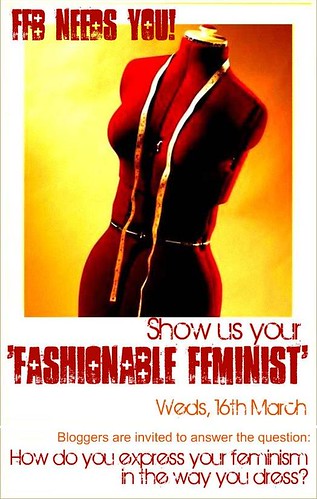
Today I am talking about pants. Or, more specifically, bloomers. Even more specifically Elizabeth Smith Miller and her band of "Bloomer Girls."
Scandalous! Or so it was thought for a long time. The motivation of Elizabeth Smith Miller's outfit is not entirely clear- she said it was because she would get frustrated trying to garden in long skirts (and really, who can dispute a valid point like that?), but it's also speculated she was inspired by the spas at the the Oneida utopian community near her father's house, where such outfits were worn frequently. In any case, this all became a big thing when she convinced a few of her friends- Amelia Bloomer, Elizabeth Cady Stanton, and eventually Susan B. Anthony to wear this sort of dress.
There were many names suggested for the garment. "Freedom dress" was the one advocated by women's rights activists, but "bloomers" is the name that stuck. It's generally speculated that this is because Bloomer was a known newspaper editor. It also has a much better ring to it, in my humble opinion.
In any case, such outfits had been worn privately for years in spas and utopian communities, but when Bloomer, Stanton, and Miller wore them publicly, it created quite the stir. After all, women wearing pants could only lead to the decline of masculinity: "these ladies assert their claim to rights, which we of bifurcated raiment are charged with usurping. This claim conflicts with, and if secured, will tend to diminish the rights of masculine mankind...he must be blind who does not perceive...a storm that shall eventually rob manhood of all it’s grand prerogatives." That's straight out of the
New York Times in 1852.
Whatever 'grand prerogatives' mankind had in 1852 that it lost as a result of our gall to wear pants, I'm pretty sure they've survived pretty well without them.
Of course, the women who chose to wear bloomers suffered for those choices, and in a fashion that is completely typical for the media, they discovered that their mode of dress was drawing attention away from issues they deemed more important, such as education, employment, and suffrage. They slowly phased the bloomers out of their everyday wardrobes, but by that time the bloomers had become a staple item among bicyclists. Once World War I rolled around and women took civilian jobs that had once belonged to men, they started wearing trousers, and once that happened, pants for women were here to stay.
Even though I'm mildly disappointed to read that they gave up on the fashion instead of sticking to their guns, I think it was a smart decision to focus on things that mattered a lot more in the short run, and let the fashion sort itself out over the long haul. Future generations got to enjoy pants
and voting, which are both things I enjoy very much.
Here's to the women who gave us pants. I'd climb fewer trees without them.
EDIT: Credit where credit is due- I got most of my information from
this article, which is a more thorough and academic version of what you just read here. It's fascinating reading and I want to find the book she cites at the bottom, "Pantaloons and Power: A Nineteenth-Century Dress Reform in the United States," by Gayle V. Fischer. There's all kinds of things that could be said about pants and gender dynamics in the US over history, but that is a project for someone less sleep deprived than I am. :)